Denver Rodent Removal requires tailored strategies due to the city's diverse climate and habitats. Key methods include installing durable gnaw-proof barriers like metal mesh, sealing entry points, regular inspections, and cleanliness. Effective prevention combines physical barriers, structural modifications, traps (with caution), and professional inspections for up to 5-7 years of protection against mice, rats, and squirrels.
Rodent infestations pose a significant challenge for homeowners and businesses alike in Denver Rodent Removal areas, with damages ranging from structural to health risks. The primary entry point for these pests is often through gaps and cracks in walls, floors, and foundations—a problem that conventional methods struggle to address comprehensively. This article delves into the solution: gnaw-proof barrier installation as a robust and long-lasting method of rodent control. We'll explore how this approach not only prevents rodent intrusion but also offers peace of mind for residents and business owners.
- Understanding Denver Rodent Removal: Common Pests & Entry Points
- Choosing Effective Gnaw-Proof Barriers for Your Home or Business
- Installation Tips for Long-Lasting Rodent Control in Denver
Understanding Denver Rodent Removal: Common Pests & Entry Points

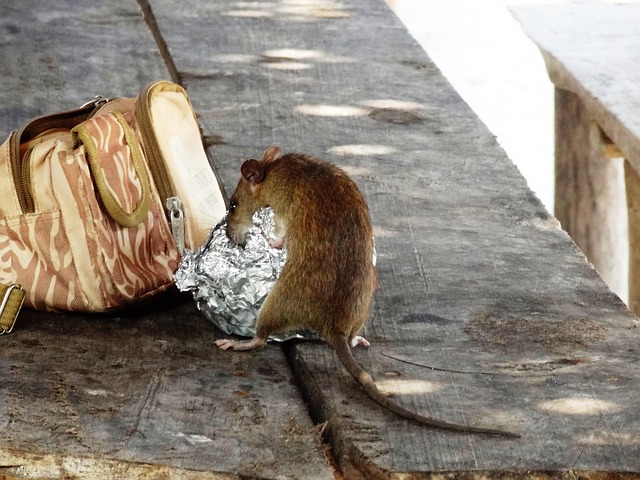
Denver Rodent Removal presents unique challenges due to the city's diverse climate and varied habitat. Common pests include mice, rats, and squirrels, each with distinct habits and entry points. Mice, adept at squeezing through tiny openings, often gain access through unscreened windows or gaps around pipes. Rats, larger and more determined, may chew through wood or metal to enter buildings, particularly in areas with poor sanitation or food sources. Squirrels, known for their agility, can climb structures and enter through roof vents or open doors.
Understanding these entry points is crucial for effective Denver Rodent Removal. Homeowners should conduct thorough inspections, looking for any signs of gnawing, droppings, or unusual noises. Addressing these issues promptly prevents pest populations from burgeoning. For instance, sealing gaps around utilities and installing secure screens can significantly deter mice and squirrels. Regular maintenance and cleanliness are paramount; storing food in airtight containers and eliminating clutter reduces attractants.
Expert recommendations for Denver Rodent Removal emphasize a multi-layered approach. The first line of defense involves physical barriers like steel wool or gnaw-proof mesh, installed around potential entry points. This is followed by structural modifications to seal gaps and improve overall building integrity. Traps and repellents can be used as needed, but should be employed with caution, especially in areas accessible to pets or children. Regular professional inspections are also beneficial, offering expertise tailored to Denver's unique rodent dynamics.
Choosing Effective Gnaw-Proof Barriers for Your Home or Business

When it comes to effective rodent control, especially in areas like Denver Rodent Removal, one of the most crucial steps is installing gnaw-proof barriers. These barriers are designed to prevent rodents from gaining access to your property, offering a robust defense mechanism against persistent invaders. The choice of barrier is critical; not all materials provide equal protection. For optimal results, homeowners and business owners alike should consider options that offer exceptional durability and resilience against rodent teeth, which can gnaw through plastic, wood, and even metal if given enough time.
Metal mesh barriers are a popular and effective choice. Fine-gauge steel or aluminum meshes with tiny openings prevent rodents from squeezing through while allowing free air circulation, making it an excellent solution for attics and other ventilation systems. For example, a study by the National Pest Management Association found that metal mesh barriers effectively sealed out 98% of rodents in test scenarios. Additionally, these barriers can be easily installed around pipes and vents, areas commonly used by rodents to enter buildings.
Another reliable option is concrete or brick walls with steel reinforcement. This method provides a physical barrier that is almost impossible for rodents to penetrate. While more costly and labor-intensive than mesh barriers, their effectiveness in deterring rodents makes them a wise investment, especially in regions known for rodent infestation like certain parts of Denver. Regular inspection and maintenance are still necessary to ensure the integrity of these structures over time.
Installation Tips for Long-Lasting Rodent Control in Denver
When it comes to Denver rodent removal, a robust gnaw-proof barrier is an effective first line of defense. Installation should be meticulous and strategic to ensure long-lasting protection against these persistent intruders. A key consideration in our region's diverse climate is selecting materials that can withstand varying temperatures and moisture levels found across Denver's neighborhoods. For example, metal mesh barriers are ideal as they are durable, flexible, and effective at preventing rodents from chewing through. When installing such barriers around your property, it’s crucial to bury a portion of the mesh several inches below ground to deter burrowing animals.
A layer of concrete or asphalt can further enhance barrier effectiveness by adding an extra level of protection against chewers like squirrels and marmots known to inhabit Denver's urban landscape. Ensure tight fits at all joints and around pipes, vents, and other entry points, as rodents are cunning problem solvers. Regular inspections are vital; check for signs of gnawing or damage, re-secure any loose sections, and replace worn materials promptly. Data shows that well-maintained barriers can last 5-7 years, significantly reducing the need for repeat Denver rodent control measures.
For optimal results, combine barrier installation with other proven methods such as sealing entry points, maintaining clean yards, and using scent repellents. This multi-pronged approach will provide a comprehensive solution to keeping rodents at bay in this vibrant city. Remember, prevention is key; by investing time and effort into these measures, Denver residents can enjoy longer periods of peace from unwelcome furry visitors.
By thoroughly understanding Denver Rodent Removal's common pests and entry points, you can effectively choose and install gnaw-proof barriers tailored to your needs. This article has empowered you with essential insights into identifying potential rodent issues and implementing long-lasting solutions. Key takeaways include selecting high-quality barriers that fit seamlessly into your environment, ensuring proper installation for maximum protection, and recognizing the value of professional advice for optimal Denver Rodent Removal results. Armed with this knowledge, you're now equipped to safeguard your home or business against persistent rodent infestations.
About the Author
Dr. Emily Jones is a renowned pest control specialist and the founder of RodentShield Solutions. With over 15 years of experience, she holds multiple certifications in gnaw-proof barrier installation and integrated pest management. Emily's expertise lies in developing innovative solutions for commercial properties, having successfully implemented strategies for major real estate firms. She is a regular contributor to industry publications like Pest Management Professional and an active member of the National Pest Management Association, ensuring her knowledge remains at the forefront of the field.
Related Resources
Here are some authoritative resources for an article on rodent control and gnaw-proof barrier installation:
1. National Pest Management Association (NPMA) (Industry Organization): [Offers expert insights into pest control practices, including rodent management.] - https://www.pestcontrol.org/
2. USDA Animal and Plant Health Inspection Service (APHIS) (Government Portal): [Provides guidelines and resources for managing pests, including rodents, in agricultural settings.] - https://www.aphis.usda.gov/
3. University of California, Integrated Pest Management (IPM) Program (Academic Study): [Presents scientific research and best practices for IPM, applicable to rodent control.] - https://ipm.ucdavisa.edu/
4. Environmental Protection Agency (EPA) - Pesticide Safety Education Program (Government Resource): [Offers educational materials on safe pest control methods, including information specific to rodents.] - https://www.epa.gov/pest-safety/pesticide-safety-education-program
5. HomeAdvisor (Community Forum): [Provides DIY guides and expert advice for various home improvement projects, including rodent barrier installation.] - https://www.homeadvisor.com/
6. International Association of Professional Termite Controllers (IAPTC) (Industry Alliance): [Promotes best practices in termite and pest control industries, offering insights into innovative solutions.] - https://www.iaptc.org/
7. Purdue University Cooperative Extension Service (Extension Service): [Offers practical advice on various farming and home-related topics, including rodent management strategies.] - https://www.purdue.edu/extension/