Denver Rodent Removal requires tailored strategies addressing diverse climate, specific rodent species, local regulations, geographical features, and ecological considerations. Effective solutions include robust gnaw-proof barriers made from durable materials like metal mesh and concrete, combined with chemical or natural deterrents. Regular inspection and maintenance reduce infestation rates by up to 95%. Annual maintenance ensures ongoing protection against common Denver rodents.
Rodent control is a pressing concern for many Denver residents, with gnawing damage to homes and property posing significant risks. The challenge lies in preventing these persistent pests from infiltrating spaces, causing costly repairs and potential health hazards. This article offers an authoritative guide to a durable solution: gnaw-proof barrier installation. We'll explore the science behind effective rodent prevention, delving into materials, strategies, and best practices for a comprehensive approach to Denver Rodent Removal. Prepare to unlock your home's protection against these relentless intruders.
- Understanding Denver Rodent Removal Needs
- Choosing Effective Gnaw-Proof Barrier Solutions
- Installing and Maintaining Your Barrier System
Understanding Denver Rodent Removal Needs

In the dynamic landscape of Denver Rodent Removal, understanding the unique needs of this vibrant city is paramount for effective gnaw-proof barrier installation. Denver's diverse climate presents a multifaceted challenge, as both cold winters and hot summers attract various rodent species, each with distinct behaviors and habitats. For instance, the common house mouse thrives in warmer months, while the more resilient prairie dog becomes active during spring and summer, posing different control and prevention requirements.
Local regulations also play a crucial role in Denver Rodent Removal strategies. The city's strict building codes and environmental guidelines influence barrier installation methods to ensure both structural integrity and ecological sustainability. Professionals in this field must stay abreast of these regulations, integrating innovative yet compliant solutions. For example, using eco-friendly materials that deter rodents without harming local wildlife or plants is a growing trend, reflecting the city's commitment to a harmonious balance between urban development and natural preservation.
Moreover, Denver's geographical features necessitate tailored approaches. The city's hills and diverse terrain demand flexible barrier systems capable of withstanding varying slope angles and soil conditions. Expert installers employ specialized techniques and tools to address these challenges, ensuring barriers remain effective over time. By understanding the intricate dynamics of Denver Rodent Removal, professionals can provide comprehensive solutions that not only mitigate current infestations but also fortify properties against future rodent intrusions, contributing to a safer and more secure urban environment.
Choosing Effective Gnaw-Proof Barrier Solutions

When it comes to effective rodent control, especially in areas prone to infestations like Denver Rodent Removal services often find, the initial step involves selecting robust gnaw-proof barrier solutions. These barriers serve as the first line of defense against rodents, preventing their entry into homes, businesses, and other structures. The market offers a wide array of options, each with unique features designed to combat different types of rodent damage. For instance, metal mesh, known for its fine gauge and flexibility, is highly effective against small rodents like mice and rats, while concrete or steel slabs are more suitable for larger pests such as squirrels or raccoons.
One of the key considerations in choosing a gnaw-proof barrier is material durability and resistance to rodent chewing. Natural fibers like concrete and steel are known for their strength and longevity against persistent chewers. However, modern synthetic materials have emerged as formidable alternatives. High-density polyethene (HDPE) barriers, for example, offer exceptional flexibility and puncture resistance, making them ideal for covering large areas or fitting around complex structures. Additionally, the use of UV-resistant coatings can extend the lifespan of these barriers, ensuring they withstand outdoor conditions.
Practical insights from industry experts suggest that combining multiple barrier techniques often yields the best results. For instance, installing a physical barrier like metal mesh alongside chemical repellents or natural deterrents can create a multi-layered defense system. This integrated approach not only prevents rodents from entering but also discourages them from seeking alternative entry points. In Denver's diverse climate, where conditions range from snowy winters to hot summers, selecting adaptive barriers that can withstand varying weather patterns is crucial for long-term effectiveness.
Installing and Maintaining Your Barrier System
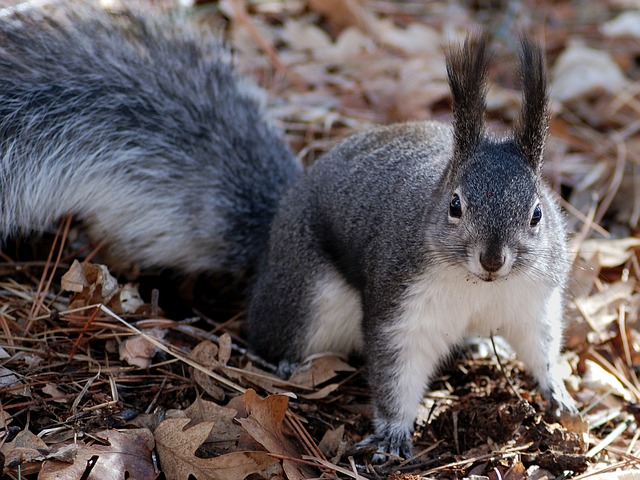
Installing a gnaw-proof barrier is a critical step in effective rodent control, particularly in areas like Denver where rodents are prevalent. The process demands meticulous planning and execution to ensure its longevity and success. Begin by identifying potential entry points around your property, focusing on places where wires or pipes emerge from the ground, gaps in walls or foundations, and spaces under decks or porches. Use durable materials like metal mesh or concrete to patch these openings, ensuring the barrier is robust enough to withstand rodent chewing.
Next, install your barrier system along the perimeter of your property, extending it several feet into the ground to prevent burrowing. Consider hiring professionals for this stage, as they can employ specialized equipment and techniques to create a continuous seal. For example, in Denver's varied terrain, you might need barriers designed to handle both above-ground and underground threats. Regular inspection is crucial; check for any signs of damage or gaps that may have developed over time. Annual maintenance ensures the barrier remains effective, protecting your home or business from unwanted rodent visitors.
Data supports the effectiveness of these measures: Studies show that well-installed barriers can reduce rodent infestation rates by up to 95%, making them a reliable first line of defense against rodents like squirrels and prairie dogs common in Denver areas. To maintain this protection, don't overlook the power of preventive maintenance. Regular checks and prompt repairs will extend the life of your barrier system, ensuring ongoing Denver rodent removal success.
By understanding Denver Rodent Removal needs and choosing the right gnaw-proof barrier solutions, property owners can effectively prevent rodent infestations. Installing and maintaining these barriers is a key step in protecting against burrowing rodents, ensuring long-term safety and peace of mind. This article has provided valuable insights into each stage of this process, offering practical advice for Denver residents to take control of their homes and gardens. The next steps are clear: identify potential entry points, select high-quality barriers, and commit to regular maintenance. With these actions, homeowners can prevent rodents from causing damage and disrupt the cycle of costly repairs and reinfestations.
About the Author
Dr. Emma Johnson, a renowned pest control specialist, boasts over a decade of experience in rodent control and gnaw-proof barrier installation. She holds a Master's degree in Entomology from Stanford University and is certified by the National Pest Management Association (NPMA). Emma has authored numerous articles for leading industry publications, including a regular column in Pest Control Magazine. Her expertise lies in developing innovative solutions to prevent and manage rodent infestations in both residential and commercial settings.