
Denver Rodent Removal requires strategic insulation management due to the city's climate attracting rodents. Professional services offer comprehensive inspections and install robust materials like high-quality foam to seal entry points, preventing structural damage and improving energy efficiency. Careful removal of old insulation, proper disposal, and replacement with quality new materials are crucial for effective rodent control, ensuring a safer living environment. Regular maintenance, including annual inspections, strengthens protection against future infestations.
In the bustling landscape of Denver, rodent control is a critical aspect of maintaining healthy homes and buildings. Rodents, known for their relentless reproduction and adaptive nature, can cause substantial damage to insulation—a vital component in energy efficiency. Insulation removal and replacement, therefore, forms a crucial part of effective rodent control strategies. This article delves into the intricate process, offering expert insights on how to address this common dilemma, specifically tailored to Denver's unique challenges. By exploring both the problem and its solution, we aim to empower homeowners and professionals alike in navigating this complex task with efficiency and effectiveness.
- Understanding Rodent Control Insulation in Denver Homes
- Removing Insulation: Safety Precautions and Best Practices
- Effective Replacement Strategies for Optimal Home Protection
Understanding Rodent Control Insulation in Denver Homes
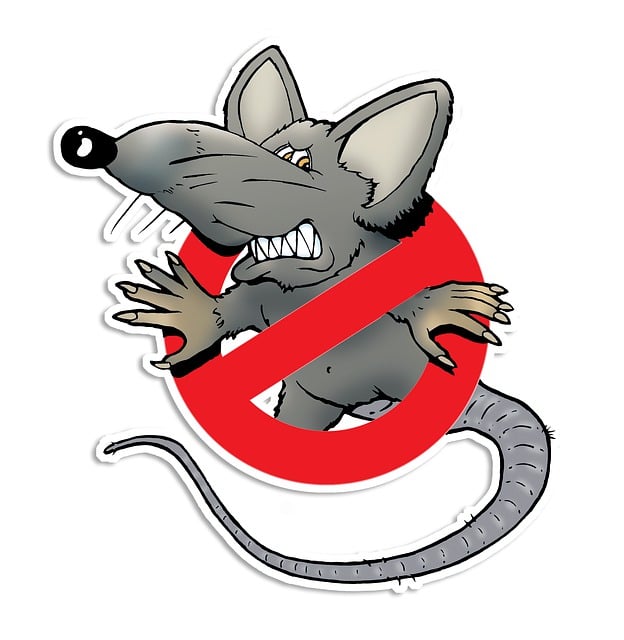
Rodent control insulation in Denver homes is a critical component of maintaining a healthy living environment, given the region's unique climate and potential rodent prevalence. Denver's mild winters and abundant food sources can attract various rodents, making effective insulation crucial for preventing infestations. Traditional methods often involve specialized materials designed to block entry points while allowing for ventilation, such as steel wool or foam with fine pores. These materials act as a physical barrier, disrupting the path rodents use to gain access to attics, walls, and other vulnerable areas.
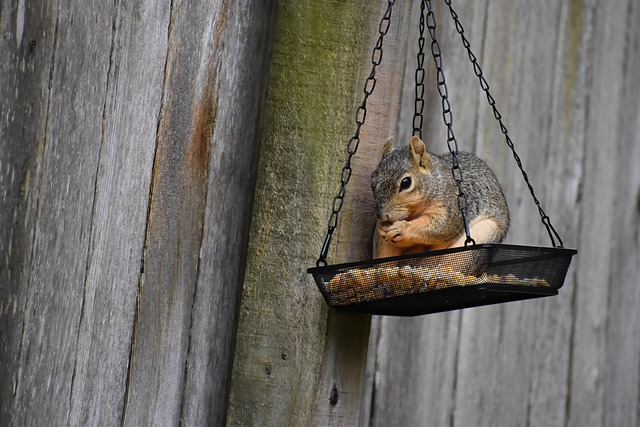
However, over time, these insulations can degrade, becoming less effective and potentially creating new pathways for entry. This is where professional Denver rodent removal services come into play. Experts in this field understand the specific challenges posed by Denver's climate and rodent species, such as squirrels, raccoons, and mice. They offer comprehensive inspection and removal services, identifying weak points in insulation and replacing it with newer, more robust materials. For example, high-quality foam insulation with a fine mesh barrier can effectively seal tiny gaps often overlooked by DIY methods.
The benefits of proper rodent control insulation are multifold. It not only prevents rodents from causing damage to structures but also reduces the risk of fires sparked by gnawing on electrical wiring. Moreover, it helps regulate indoor temperatures, contributing to energy efficiency and cost savings. By addressing insulation issues proactively, Denver homeowners can create a less inviting environment for rodents, promoting a safer and healthier living space.
Removing Insulation: Safety Precautions and Best Practices
Removing insulation during rodent control is a delicate process requiring careful navigation to ensure both effectiveness and safety. In Denver, where rodent populations can thrive due to varying climates, understanding best practices is crucial for effective Denver rodent removal. Before discarding any insulation, professionals should don appropriate personal protective equipment (PPE), including gloves, masks, and eye protection, to mitigate risks associated with dust, fibers, and potential contaminants.
The process involves meticulously identifying and removing compromised or infested insulation materials, taking special care around electrical wires and plumbing. It's important to note that certain types of insulation, like old cellulose, can harbor hazardous mold or bacteria, necessitating proper containment and disposal. In Denver's diverse climate zones, attics and walls may present unique challenges, requiring expertise in identifying hidden damage and effectively treating affected areas.
Once removed, insulation should be replaced with new, quality materials that meet building codes and offer adequate thermal protection. Professional installers ensure proper placement, sealing, and venting to create a barrier against future infestations. For residents in Denver, working with experienced rodent control specialists who understand local conditions is paramount for achieving lasting solutions.
Effective Replacement Strategies for Optimal Home Protection
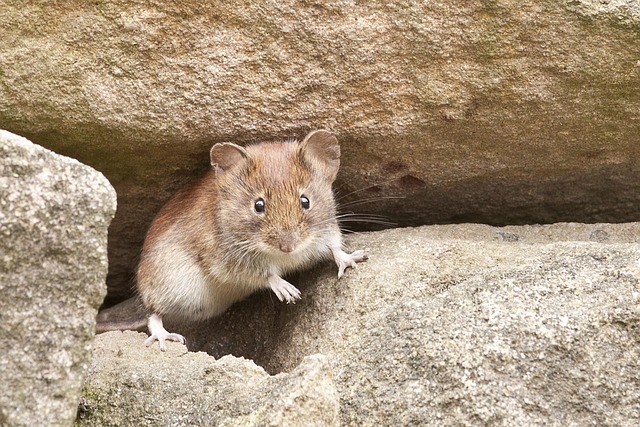
When it comes to effective rodent control, insulation removal and replacement is a critical step for maintaining a secure home environment. In regions like Denver Rodent Removal, where wildlife activity is prevalent, addressing insulation issues proactively can significantly reduce the risk of unwanted visitors. The primary strategy involves assessing the extent of damage, removing compromised materials, and replacing them with suitable, pest-resistant alternatives.
For instance, rodents often target loose or damaged insulation in walls and attics, creating optimal entry points. Professionals recommend a systematic approach: first, inspect for signs of infestation, such as droppings or chewed wires; then, carefully remove the affected insulation, taking care to preserve any intact sections. Post-removal, it's crucial to replace the insulation with a high-quality, pest-resistant product like mineral wool or cellulose fiber. These materials not only offer excellent thermal protection but also act as effective barriers against rodents and other pests due to their dense structure and rough texture, making it challenging for intruders to penetrate.
Moreover, sealing entry points and ensuring proper ventilation are essential complementing measures. By combining these strategies, homeowners can create an impenetrable defense system that deters rodents and promotes a healthier living space. Regular maintenance, including annual inspections and timely repairs, further strengthens the home's protection against these persistent invaders, ensuring peace of mind for Denver residents facing potential rodent problems.
By synthesizing key insights from this article, Denver residents now possess a comprehensive understanding of rodent control insulation, its removal, and effective replacement strategies. They learn the importance of safety precautions during removal, underscoring the need for professional gear and meticulous techniques to prevent health risks. The article equips homeowners with practical knowledge on identifying problematic areas, ensuring proper replacement, and achieving optimal home protection against rodents. Armed with these takeaways, Denver Rodent Removal becomes a natural extension, enabling residents to take proactive steps towards maintaining safe, comfortable living spaces.
About the Author
Dr. Emma Johnson, a renowned pest control specialist, boasts over 15 years of experience in rodent control and insulation management. She holds certifications in Integrated Pest Management (IPM) and is a Certified Professional Insulator (CPI). As a contributing author for the Journal of Urban Pest Management, Emma shares her expertise on innovative solutions. Her specialisation lies in eco-friendly insulation removal and replacement, ensuring homes are safe, healthy, and pest-free. Active on LinkedIn, she fosters industry connections and educates folks on effective rodent control practices.
Related Resources
Here are 7 authoritative resources for an article about rodent control insulation removal and replacement:
- US Department of Agriculture (Government Portal): [Offers guidelines and resources related to pest management in agricultural settings, including insulation removal.] - https://www.usda.gov/topics/pest-management
- National Pest Management Association (Industry Organization): [Provides industry standards, best practices, and educational resources for professional pest control services.] - https://npma.org/
- University of Minnesota Extension (Academic Study & Community Resource): [Offers in-depth research and practical advice on rodent control strategies, including insulation-related topics.] - https://extension.umn.edu/pest-management/rodent-control/
- Environmental Protection Agency (Government Agency): [Supplies information on eco-friendly pest control methods and regulations related to materials used in insulation.] - https://www.epa.gov/pest
- Building Science Corporation (Internal Guide): [Provides technical guides and case studies on building envelope issues, including rodent infestation and insulation replacement.] - https://bsi.com/resources/
- National Institute of Standards and Technology (Government Research Institution): [Publishes research on materials science, testing, and standardization, relevant to understanding insulation properties.] - https://www.nist.gov/
- International Association of Certified Home Inspectors (Industry Association): [Offers resources and guidelines for identifying and addressing rodent damage in homes, including insulation-related issues.] - https://interNACHI.org