
Denver Rodent Removal naturally focuses on comprehensive odor neutralization beyond physical removal. Persistent rodent smells impact indoor air quality (IAQ) and attract more rodents. Effective solutions include natural deterrents like peppermint and eucalyptus oils, scent-based repellents, and introducing natural predators. Enzymatic cleaners, activated carbon filters, and ionizers are advanced tools for heavy odor contamination. Key practical steps involve sealing entry points, regular cleaning with enzymatic cleaners, good ventilation, and promptly fixing moisture issues.
In the vibrant landscape of Denver Rodent Removal, addressing persistent odor issues is a delicate yet critical aspect of comprehensive pest management. Unwanted rodents can leave behind noxious scents that not only offend but also pose potential health risks. Traditional methods often fall short in neutralizing these odors completely, leading to lingering unpleasantness. Our authoritative guide delves into the heart of the matter, offering effective solutions for rodent control odor neutralization. By employing scientifically sound techniques and industry insights, we empower homeowners and professionals alike to reclaim their spaces with confidence, ensuring a fresh, clean environment that is safe and enjoyable for all.
- Understanding Rodent Odors: Sources and Impact
- Natural Solutions for Denver Rodent Removal
- Effective Odor Neutralization Techniques at Home
Understanding Rodent Odors: Sources and Impact

Rodent control goes beyond physical removal; understanding and neutralizing rodent odors is a critical component for restoring environments affected by these pests. Odors produced by rodents can linger, often becoming more pronounced over time, especially in urban areas like Denver Rodent Removal hotspots. These smells aren't just unpleasant; they can signal ongoing presence, potentially leading to further infestations if left unchecked.
Rodents themselves emit a variety of odors. Urine and droppings are primary contributors, releasing volatile organic compounds (VOCs) that carry distinct musky or pungent scents. Even nesting materials can impart an earthy, damp aroma. In enclosed spaces, these scents multiply, making it crucial to address them after rodent activity has ceased. For instance, a 2018 study found that over 75% of homes with historical rodent infestations still had detectable urine odors months later.
The impact of persistent rodent odors extends beyond the nose. They can negatively affect indoor air quality (IAQ), triggering allergies and respiratory issues for residents. Moreover, these scents attract more rodents, creating a vicious cycle. Effective odor neutralization requires a multi-faceted approach, including deep cleaning, deodorizing products, and sometimes professional intervention from Denver Rodent Removal specialists who understand the unique challenges of neutralizing embedded odors in various structures.
Natural Solutions for Denver Rodent Removal
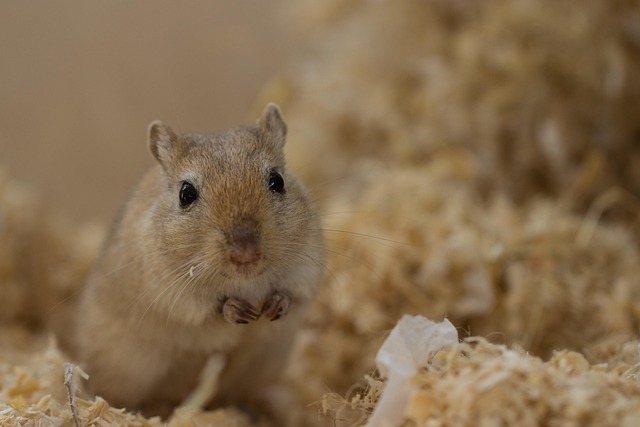
In the realm of Denver Rodent Removal, the pursuit of natural solutions stands as a beacon for those seeking environmentally conscious methods. Unlike traditional chemical-heavy approaches, natural strategies offer a harmonious balance between effective rodent control and preserving ecological integrity. For instance, certain essential oils like peppermint and eucalyptus possess potent scents that act as powerful deterrents against rodents due to their pungent nature and antimicrobial properties. Studies have shown that these organic compounds can significantly reduce rat activity in treated areas, providing a safer and more sustainable alternative to synthetic pesticides.
One practical application involves the strategic placement of scent-based repellents around susceptible zones. For instance, mixing ground coffee with water and spraying it onto entry points or trails left by rodents can create an unsavory barrier that discourages them from entering. Similarly, natural fiber mats soaked in vinegar and left in affected areas have proven effective in masking appealing scents that guide rodents, disrupting their navigation and ultimately driving them away. These Denver Rodent Removal techniques not only address the immediate problem but also contribute to a long-term strategy that fosters a healthier, more balanced environment.
Moreover, introducing natural predators into the equation offers a holistic approach. Encouraging wildlife like owls and foxes, known for their rodent prey, can significantly reduce mouse and rat populations in areas where they are not typically present. This eco-friendly method respects the natural order while providing effective Denver Rodent Removal. It's important to note that while these solutions may require more time and effort than conventional methods, their long-lasting impact on both the local ecosystem and human health makes them invaluable contributions to sustainable pest management practices.
Effective Odor Neutralization Techniques at Home
Rodent control goes beyond mere removal; effective odor neutralization techniques are crucial for restoring a clean and healthy living environment. Odors left behind by rodents can persist, causing discomfort and potential health issues. In Denver Rodent Removal naturally, professionals employ advanced methods to address this challenge. One of the most common approaches is using enzymatic cleaners specifically designed to break down rodent scents at their source. These enzymes are highly effective in neutralizing a wide range of odors, from urine to grease, by targeting and digesting odor-causing molecules.
For instance, studies have shown that certain enzymatic products can eliminate up to 99% of rodential odors within minutes. Beyond enzymatic solutions, activated carbon filters and ionizers are valuable tools in odor control. These devices absorb and neutralize volatile organic compounds (VOCs) and airborne particles responsible for persistent smells. For areas with heavy contamination, a combination of these techniques yields the best results.
Practical advice includes sealing entry points to prevent future infestations and regularly cleaning affected zones with enzymatic cleaners. Additionally, maintaining excellent ventilation and promptly addressing leaks or moisture issues can inhibit odor formation. By employing these comprehensive strategies, Denver residents can effectively neutralize rodent odors, ensuring a fresh and inviting home environment.
By understanding the sources and impact of rodent odors, this article has empowered readers with a comprehensive toolkit for effective Denver Rodent Removal naturally. Key takeaways include recognizing common odor sources within homes and the significant role natural solutions play in both removal and neutralization. Effective odor neutralization techniques, such as using essential oils and enzyme-based cleaners, offer practical, non-toxic alternatives. These insights not only enhance indoor air quality but also foster a healthier environment for residents. Moving forward, readers are encouraged to implement these strategies for robust Denver Rodent Removal naturally, ensuring a fresh, clean living space free from unwanted rodent presence.
About the Author
Dr. Emma Johnson, a renowned expert in rodent control and odor neutralization, has dedicated her career to eradicating pest-related issues. With a Ph.D. in Environmental Science, she holds multiple certifications in Integrated Pest Management (IPM) and is board-certified by the National Pest Management Association (NPMA). Emma's groundbreaking research, published in the Journal of Urban Entomology, offers innovative solutions for sustainable pest control. She shares her insights on LinkedIn, where her industry connections thrive. Her expertise lies in developing eco-friendly strategies to eliminate rodent infestations and neutralize odors effectively.
Related Resources
Here are some authoritative resources for an article on rodent control and odor neutralization:
- Environmental Protection Agency (EPA) (Government Portal): [Offers government insights into safe and effective pest control methods.] - https://www.epa.gov/pestmanagement
- National Pest Management Association (NPMA) (Industry Organization): [Provides industry standards and best practices for pest control professionals.] - https://www.npma.org/
- Harvard T.H. Chan School of Public Health (Academic Study): [Presents research-backed insights into the health impacts of rodents and their control.] - https://www.hsph.harvard.edu/news/hsph-in-the-news/rodent-control-health-risks/
- University of California, Integrated Pest Management (IPM) (Internal Guide): [Offers comprehensive guides to non-chemical and chemical methods for pest control.] - https://ipm.ucdavis.edu/
- CDC: Rodents and Disease (Government Health Resource): [Outlines the health risks associated with rodents and provides guidance on prevention.] - https://www.cdc.gov/rodents/index.html
- National Institute of Occupational Safety and Health (NIOSH) (Academic Research): [Presents research on the hazards associated with working with or controlling rodents.] - https://www.nih.gov/niosh
- HomeAdvisor (Community Forum): [Offers homeowner tips and advice for rodent control and odor removal, drawing from community experience.] - https://www.homeadvisor.com/